


Introduction & Biochemical Profile
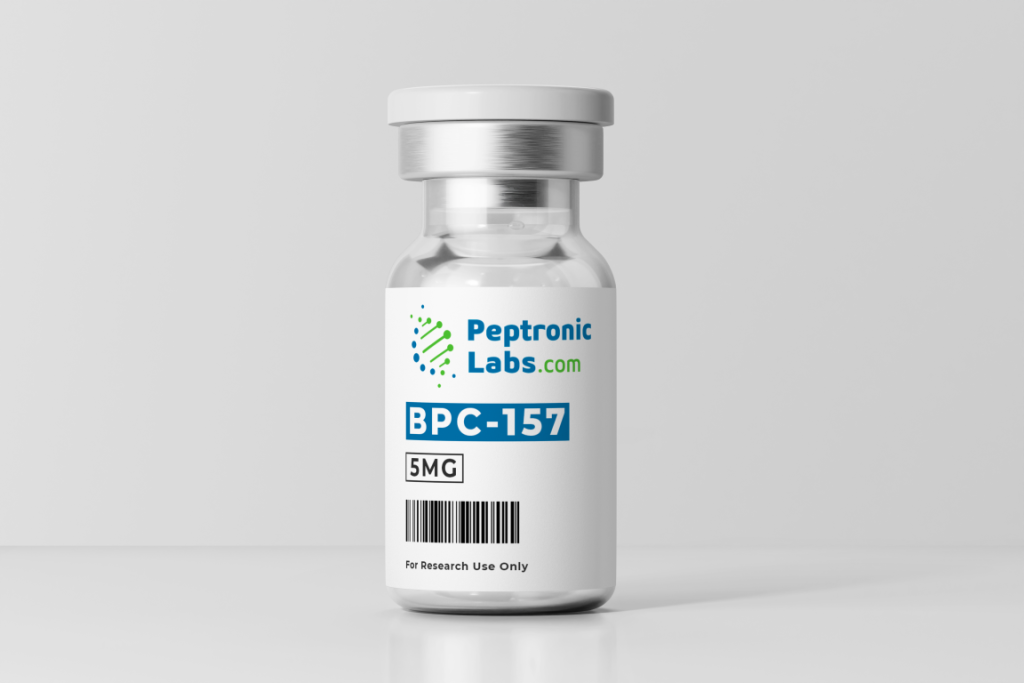
BPC-157 (Body Protection Compound-157) is a synthetic 15-amino acid peptide sequence derived from a protective protein isolated from human gastric juice. In biochemical and cellular research, BPC-157 is investigated for its pleiotropic effects, specifically its ability to modulate the vascular endothelial growth factor receptor 2 (VEGFR2) pathway, influence angiogenic signaling, and study mucosal defense mechanisms in in vitro and preclinical laboratory models. Understanding BPC-157: Gastric Peptide Research Overview is crucial for further insights into its research.
Unlike broader systemic peptides, the gastric-derived origin of BPC-157 provides a unique experimental model for examining gastrointestinal cytoprotection, brain-gut axis signaling, and cellular migration dynamics. Researchers utilize this synthetic sequence to evaluate intracellular phosphorylation cascades and receptor binding affinities in controlled laboratory environments. The continued exploration of Understanding BPC-157: Gastric Peptide Research Overview will enhance our knowledge in this field.
Technical Specification Table
Biological Mechanisms & Laboratory Focus Areas
Preclinical research into BPC-157 centers around several key cellular pathways:
- Angiogenesis Modulation: Investigators utilize BPC-157 to examine the upregulation of Vascular Endothelial Growth Factor (VEGF) and the downstream activation of the VEGFR2 pathway in endothelial cell culture models.
- Nitric Oxide (NO) Pathway Interaction: Laboratory studies monitor how the peptide interacts with nitric oxide synthesis pathways, providing a model for observing vascular tone regulation and mucosal blood flow dynamics in experimental settings.
- Fibroblast Activation & Extracellular Matrix Studies: Research protocols evaluate peptide-mediated activation of fibroblasts, focusing on the focal adhesion kinase (FAK) and paxillin signaling pathways associated with cellular migration and matrix remodeling in vitro.
- Gastrointestinal Cytoprotection: As a gastric juice-derived sequence, BPC-157 serves as an experimental reagent for mapping brain-gut axis signaling and cellular defense mechanisms across mucosal tissue models.
In Vitro Methodology & Experimental Protocols
In bioanalytical chemistry and cell biology, researchers evaluate BPC-157 across several core laboratory methodologies:
- Endothelial Tube Formation Assays: Measuring human umbilical vein endothelial cell (HUVEC) migration and capillary-like structure assembly following exposure to BPC-157 in vitro.
- Western Blotting & Phosphorylation Analysis: Quantifying the activation status of intracellular signaling proteins, including VEGFR2 and associated downstream kinases, in cell lysates.
- High-Performance Liquid Chromatography (HPLC): Monitoring chemical purity, stability kinetics, and peptide integrity across various experimental buffer formulations.
Frequently Asked Questions (FAQ)
What is BPC-157 in biochemical research?
BPC-157 is a synthetic 15-amino acid peptide derived from a protective protein found in human gastric juice, utilized in laboratory studies as a reference molecule for angiogenesis and mucosal defense.
How is BPC-157 evaluated in laboratory models?
Researchers study BPC-157 using in vitro cell cultures and preclinical models to analyze VEGF receptor signaling, nitric oxide pathway interactions, and fibroblast activation markers.
What is the significance of the VEGFR2 pathway in BPC-157 research?
The VEGFR2 pathway is a primary target in angiogenesis research; investigating how peptides like BPC-157 influence this pathway provides valuable data on endothelial cell proliferation and vascular network formation in vitro.
Is BPC-157 approved for clinical, therapeutic, or human use?
No. BPC-157 is an unapproved investigational compound. It is not approved by regulatory bodies (such as the FDA or EMA) for human consumption, clinical treatment, or consumer administration, and is restricted strictly to non-clinical laboratory research.
Technical Specification Table
| Attribute | Parameter |
|---|---|
| Chemical Name | Body Protection Compound-157 (BPC-157) |
| Sequence Length | 15 Amino Acids |
| Classification | Gastric-Derived Synthetic Peptide Sequence |
| Primary Targets | VEGFR2 pathway, nitric oxide synthases, and fibroblast signaling cascades |
| Research Context | In vitro angiogenesis assays, gastric cytoprotection, and cellular homeostasis models |
Academic & Scientific References
- PubChem Compound Database: Peptide Sequences — National Center for Biotechnology Information (NCBI) repository for synthetic peptide structures and chemical identifiers.
- DrugBank Online Database — Comprehensive scientific reference detailing gastrointestinal peptide sequences and receptor binding profiles.
- NCBI PubMed Central: VEGFR2 & Angiogenic Signaling Kinetics — Peer-reviewed literature examining endothelial growth factor upregulation and cellular migration assays in vitro.
Important Notice: All content on this page is for laboratory research and educational purposes only. Not intended as medical advice or for human consumption.